What if the best car isn’t the flashiest one-but the one that starts every morning, costs less to keep, and still holds value years later?
For daily driving, reliability is more than a convenience; it affects your budget, your schedule, and your confidence every time you turn the key.
The smartest choices combine proven engines, low repair costs, strong fuel economy, and resale value that doesn’t collapse after a few years.
In this guide, we’ll focus on dependable cars that make sense for real-world commuters, families, and long-term owners-not just vehicles that look good on paper.
What Makes a Car Reliable for Daily Driving and Long-Term Ownership?
A reliable car is not just one that starts every morning. For daily driving and long-term value, it should have a proven engine, durable transmission, affordable repair costs, strong safety ratings, and easy access to replacement parts. A car that needs rare imported components or specialized labor can become expensive even if the purchase price looks attractive.
In real-world ownership, maintenance history often matters as much as the badge on the hood. For example, a well-serviced Toyota Camry with documented oil changes may be a smarter buy than a newer luxury sedan with missing records and high insurance costs. Before buying, check service records, recall history, and estimated ownership costs using tools like CARFAX or Kelley Blue Book.
- Predictable maintenance: Look for models with simple service schedules, reasonable tire costs, and no known major engine or transmission issues.
- Low total cost of ownership: Compare fuel economy, auto insurance quotes, repair estimates, and extended warranty options before deciding.
- Strong resale value: Reliable cars from trusted brands usually hold value better, which helps when trading in or selling privately.
A good daily driver should also fit your actual routine. If you commute in traffic, smooth automatic transmission behavior and fuel efficiency matter. If you drive long distances, seat comfort, driver-assistance features, and affordable scheduled maintenance become just as important as reliability ratings.
How to Compare the Best Reliable Cars by Maintenance Costs, Fuel Economy, and Resale Value
When comparing the best reliable cars, look beyond the purchase price and calculate the total cost of ownership. A car with a slightly higher sticker price may be cheaper long term if it has lower repair costs, better fuel economy, affordable auto insurance, and stronger resale value.
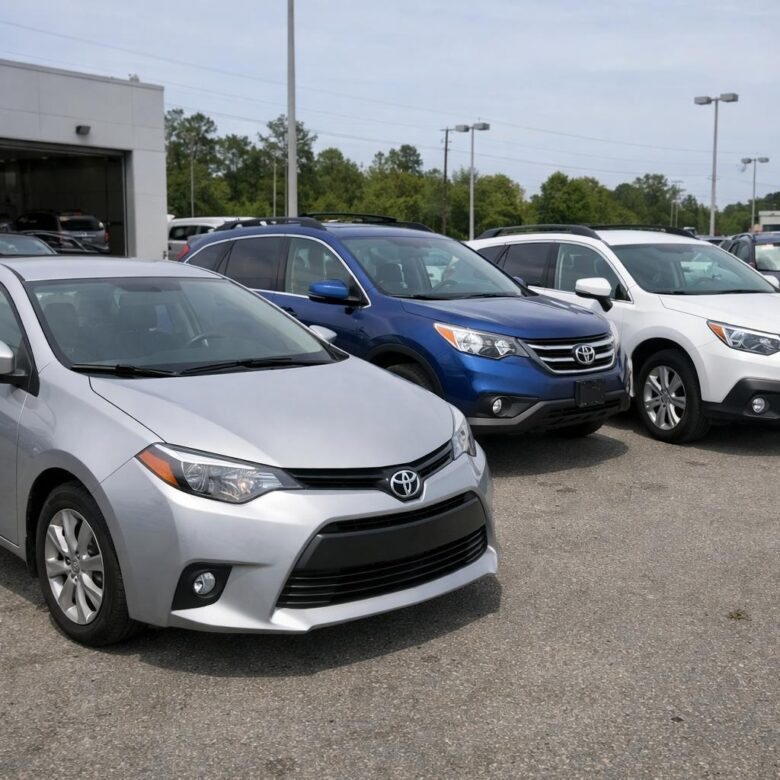
Start by checking maintenance schedules and common repair items. For example, a Toyota Corolla or Honda Civic often costs less to maintain than many turbocharged compact SUVs because parts are widely available, labor is straightforward, and independent repair shops know them well.
- Maintenance costs: Use ownership cost tools like Edmunds True Cost to Own or RepairPal to compare estimated repairs, service intervals, and parts pricing.
- Fuel economy: Check official MPG ratings on FuelEconomy.gov, then compare them with real owner feedback for city driving, commuting, and highway use.
- Resale value: Review used car prices on Kelley Blue Book or CarGurus to see how well a model holds value after five to seven years.
A useful real-world test is to compare two cars with the same monthly payment but different running costs. If one saves money on gas, needs fewer brake or transmission repairs, and sells for more later, it is usually the smarter daily driver.
Also consider your driving pattern. Hybrid cars can be excellent for stop-and-go commuting, while a simple gas-powered sedan may be more cost-effective for low-mileage drivers who want fewer complex components to service.
Common Buying Mistakes That Reduce Long-Term Car Value and Dependability
One of the biggest mistakes is buying the lowest-priced car without checking its maintenance history, accident records, and ownership pattern. A cheap daily driver can become expensive fast if it needs a timing belt, transmission repair, hybrid battery, or major suspension work soon after purchase. Always compare the asking price with a vehicle history report from Carfax or AutoCheck and budget for near-term service costs.
Another costly mistake is ignoring total ownership cost. A used luxury sedan may look like a bargain, but premium fuel, high insurance rates, expensive tires, and specialized repairs can erase any savings. For example, a clean used Toyota Camry with higher mileage may deliver better long-term value than a low-priced German sedan with overdue maintenance and costly parts.
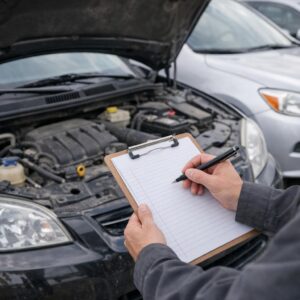
- Skipping a pre-purchase inspection: A trusted mechanic can spot oil leaks, rust, worn brakes, frame damage, and hidden electrical issues before you sign.
- Choosing looks over service records: A shiny car with no documented oil changes is riskier than a plain one with consistent maintenance receipts.
- Overpaying through bad financing: Compare auto loan rates, insurance quotes, and extended warranty terms before focusing only on the monthly payment.
Also be careful with heavily modified cars, salvage titles, and models known for expensive reliability problems. In real-world used car shopping, the best long-term buy is usually boring on paper: clean title, simple engine, strong service history, fair mileage, and affordable replacement parts. That combination protects both dependability and resale value.
Summary of Recommendations
The best reliable car is not simply the one with the strongest reputation-it is the one that fits your driving habits, budget, and ownership plans. Prioritize proven powertrains, affordable maintenance, strong safety records, and solid resale value over flashy features that may age poorly.
- Choose models with consistent reliability data and accessible service costs.
- Test-drive for comfort, visibility, and real-world daily usability.
- Review ownership history carefully when buying used.
A smart choice today should remain dependable, economical, and easy to live with years from now.

Dr. Thomas Bennett is an automotive guide writer and car care educator specializing in vehicle comparisons, maintenance tips, and everyday driving advice. He focuses on making car ownership easier for first-time and experienced drivers.