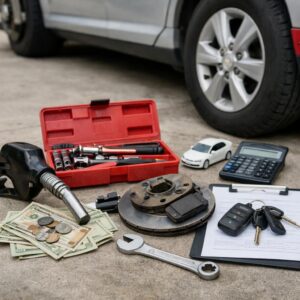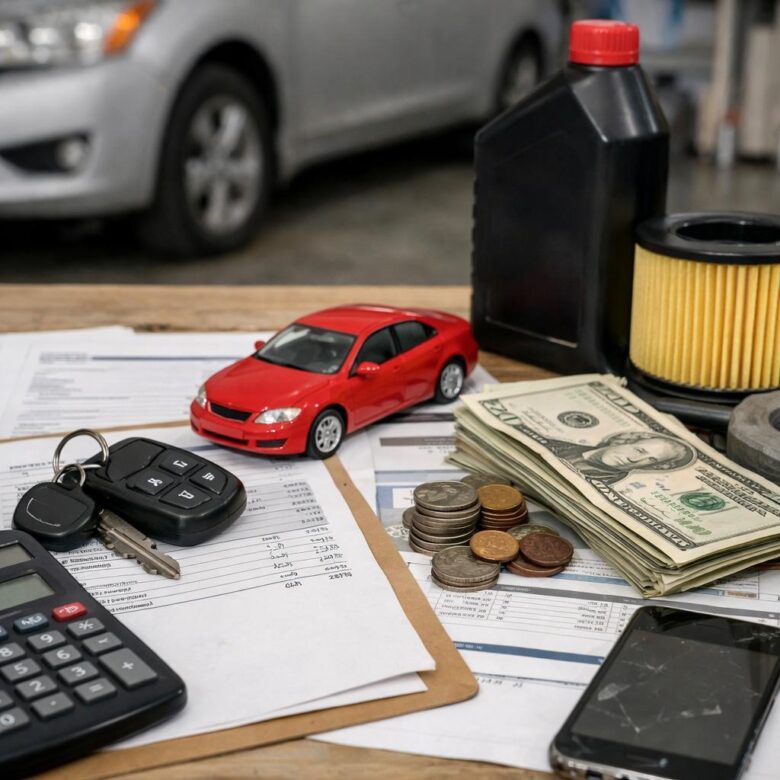
That “affordable” car may be quietly draining thousands from your budget.
The sticker price is only the beginning; fuel, insurance, depreciation, financing, maintenance, taxes, and repairs often decide whether a car is truly affordable.
Many buyers calculate the monthly payment and stop there, missing the costs that arrive long after the excitement of the purchase fades.
This guide breaks down the total cost of car ownership so you can compare vehicles realistically, avoid budget traps, and choose a car that fits your life-not just your loan approval.
What Total Cost of Car Ownership Really Includes Beyond the Sticker Price
The total cost of car ownership is the real amount you pay to drive, maintain, insure, finance, and eventually sell a vehicle. The sticker price is only the starting point; two cars with the same purchase price can cost very different amounts over five years.
Key expenses buyers often miss include auto insurance premiums, loan interest, fuel or EV charging costs, registration fees, routine maintenance, tire replacement, repairs, parking, tolls, and depreciation. Depreciation matters because it affects resale value, especially if you plan to trade in the car after a few years.
- Financing: A lower monthly payment may hide a longer loan term and higher total interest.
- Insurance: SUVs, luxury vehicles, and performance models can carry much higher car insurance rates.
- Maintenance: Brake jobs, tires, oil changes, and battery replacement can change the true cost quickly.
A real-world example: a used luxury sedan may look cheaper than a new compact car, but higher insurance, premium fuel, expensive parts, and repair labor can make it cost more every month. I’ve seen buyers focus on the deal price, then get surprised when one set of tires costs as much as several months of fuel.
Before buying, compare ownership costs using tools like Kelley Blue Book, Edmunds True Cost to Own, or your insurer’s online quote calculator. A practical rule is to estimate the monthly payment plus insurance, fuel, maintenance, and registration before deciding whether the car truly fits your budget.
How to Calculate Monthly and Long-Term Car Ownership Costs Before Buying
Start with the monthly payment, but do not stop there. A realistic car ownership cost estimate should include auto loan interest, car insurance premiums, fuel or EV charging, maintenance, registration fees, parking, tolls, and expected depreciation. Use a car affordability calculator such as Edmunds True Cost to Own or Kelley Blue Book to compare models before visiting a dealer.
A simple method is to build a monthly budget using three numbers:
- Fixed costs: loan payment, insurance, registration, and extended warranty or vehicle service contract.
- Variable costs: gas, tires, oil changes, brake service, car washes, and tolls.
- Future costs: depreciation, major repairs, and resale value after three to five years.
For example, a used SUV with a $420 monthly loan payment may look affordable. But if insurance is $160, fuel is $220, maintenance averages $90, and parking costs $75, the real monthly cost is closer to $965 before unexpected repairs. That difference matters, especially if you are comparing it with a certified pre-owned sedan or a hybrid with lower fuel costs.
One practical insight: always get insurance quotes before choosing the car, not after. Two vehicles with similar prices can have very different insurance rates because of repair costs, theft risk, safety ratings, and parts availability. Also check maintenance schedules, tire sizes, and whether the model requires premium fuel, because these small details often become expensive over time.
Common Car Buying Mistakes That Lead to Higher Ownership Costs
One of the most expensive mistakes is shopping by monthly payment instead of total cost. A lower payment can hide a longer auto loan, higher interest charges, and negative equity risk if you trade in early. Always compare the full purchase price, loan APR, taxes, registration fees, and insurance cost before signing.
Another common issue is skipping insurance quotes until after the deal is done. Two similar SUVs can have very different auto insurance premiums because of repair costs, theft risk, safety ratings, and driver-assistance technology. Before buying, run quotes through your insurer or comparison platforms like GEICO, Progressive, or The Zebra.
- Ignoring depreciation: Luxury cars and some electric vehicles can lose value faster, increasing your real ownership cost.
- Skipping a vehicle history report: Use CARFAX or AutoCheck to check accidents, title brands, and mileage issues.
- Not pricing maintenance: Tires, brakes, battery replacement, and scheduled service can vary widely by model.
A real-world example: a buyer may choose a used German sedan because it costs the same as a newer Toyota Camry on the lot. But after higher insurance, premium fuel, expensive tires, and repair labor, the “deal” can become much more costly within a year.
Before committing, check fair market value on Kelley Blue Book, estimate financing with an auto loan calculator, and budget for a pre-purchase inspection. That small upfront cost can reveal leaks, worn suspension, or hidden accident repairs before they become your problem.
Expert Verdict on Total Cost of Car Ownership: What Buyers Often Forget
The smartest car purchase is not always the one with the lowest sticker price. It is the one that still makes financial sense after fuel, insurance, maintenance, depreciation, taxes, and financing are added in.
Before committing, calculate the monthly and long-term ownership cost, not just the payment. Compare models using realistic driving habits, local rates, and expected resale value. If a vehicle stretches your budget only under perfect conditions, it is probably too expensive. Choose the car that fits both your needs and your future cash flow.

Dr. Thomas Bennett is an automotive guide writer and car care educator specializing in vehicle comparisons, maintenance tips, and everyday driving advice. He focuses on making car ownership easier for first-time and experienced drivers.