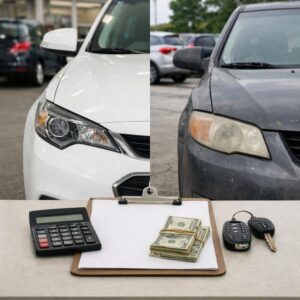
Your first car can either build your confidence-or drain your wallet faster than you expect.
For first-time buyers, the “best” car is not just the one with the lowest price tag; it is the one that balances reliability, safety, fuel economy, insurance costs, resale value, and everyday comfort.
This guide breaks down what really matters before you purchase, from choosing between new and used cars to spotting hidden ownership costs that many beginners overlook.
Whether you are a student, new driver, young professional, or buying your first family vehicle, the right choice starts with knowing what to avoid-and what is truly worth paying for.
What Makes a Car First-Time Buyer Friendly: Safety, Reliability, Insurance, and Total Ownership Cost
A first-time buyer friendly car is not just cheap to buy; it should be affordable to insure, simple to maintain, and predictable to own. Before choosing based on style or monthly payment, check safety ratings, repair history, fuel economy, and average auto insurance quotes for your age, ZIP code, and driving record.
Safety should come first because new drivers benefit from features that reduce mistakes. Look for automatic emergency braking, blind-spot monitoring, lane-keeping assist, a rearview camera, and strong crash-test results from IIHS or NHTSA.
- Reliability: Choose models with a strong service record and easy-to-find parts, such as a Toyota Corolla, Honda Civic, or Mazda3.
- Insurance cost: Get quotes before buying; sporty trims, turbo engines, and luxury badges can raise premiums quickly.
- Total ownership cost: Include fuel, tires, registration, maintenance, repairs, and possible loan interest-not just the sticker price.
In real-world shopping, a used compact sedan with a clean vehicle history report often makes more sense than a cheaper older SUV that needs tires, brakes, and extra fuel every month. I’ve seen buyers save money upfront, then lose it within a year because they ignored maintenance costs and insurance premiums.
Use tools like Kelley Blue Book, Carfax, and online insurance comparison platforms to estimate resale value, ownership cost, and accident history. A good first car should feel easy to live with after purchase, not just exciting on the test drive.
How to Compare Your Best Options: New vs. Used Cars, Financing, Test Drives, and Pre-Purchase Checks
Start by comparing the total cost of ownership, not just the sticker price. A new car may include a factory warranty, lower maintenance costs, and better auto loan rates, while a used car can save money upfront but may need tires, brakes, or repairs sooner. Before choosing, check insurance quotes, fuel economy, registration fees, and estimated maintenance costs.
Use tools like Kelley Blue Book, Carfax, and Edmunds to compare market value, ownership costs, and vehicle history reports. For example, a used Toyota Corolla priced $3,000 below a similar Honda Civic may look better, but if the Corolla has accident history or overdue maintenance, the Civic could be the smarter buy. Small details matter.
- Financing: Get pre-approved through a bank, credit union, or online auto loan marketplace before visiting a dealership.
- Test drive: Drive on city streets and highways, and check braking, steering, visibility, seat comfort, and phone connectivity.
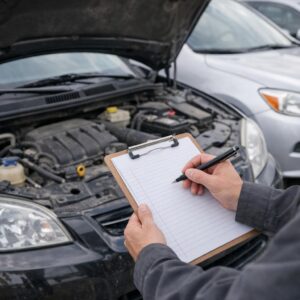
- Inspection: For used cars, pay for a pre-purchase inspection from an independent mechanic before signing anything.
During the test drive, avoid judging the car only by appearance or monthly payment. A low monthly payment can hide a longer loan term, higher interest rate, or expensive add-ons like extended warranty coverage, gap insurance, and dealer protection packages. Compare the out-the-door price, loan APR, and long-term costs before making a final decision.
Common First-Car Buying Mistakes to Avoid Before Signing the Deal
One of the biggest mistakes first-time buyers make is focusing only on the monthly payment instead of the total cost of ownership. A car that looks affordable at $350 per month can become expensive once you add auto insurance, registration fees, fuel, maintenance, and possible loan interest. Before agreeing to any financing, use an auto loan calculator and compare quotes from your bank, credit union, and the dealership.
Never skip the vehicle history report or pre-purchase inspection, especially when buying a used car. Tools like CARFAX or AutoCheck can reveal accident records, title issues, mileage inconsistencies, and past ownership history. I’ve seen buyers walk away from “clean-looking” cars after a mechanic found hidden frame damage during a $150 inspection.
- Ignoring insurance costs: Get car insurance quotes before buying, because sporty trims or newer models may cost much more to insure.
- Rushing the test drive: Drive on city roads and highways, and check braking, visibility, seat comfort, and parking ease.
- Accepting add-ons blindly: Extended warranty, paint protection, GAP insurance, and service plans should be priced and compared separately.
Also, avoid signing paperwork without reading the final purchase agreement line by line. Watch for dealer fees, higher interest rates than promised, or extras added after negotiation. If the numbers change at the desk, pause and ask for a revised breakdown-there is nothing wrong with walking away.
Closing Recommendations
Choosing your first car should come down to confidence, affordability, and long-term reliability-not just the lowest price or the most attractive design. A good first car is easy to drive, inexpensive to maintain, fuel-efficient, and equipped with essential safety features.
Before you commit, compare total ownership costs, check insurance rates, inspect the vehicle history, and take a proper test drive. If the car fits your budget, lifestyle, and comfort level without stretching your finances, it is likely the right choice. Buy patiently, verify everything, and choose the car that makes everyday driving simpler.